
 By
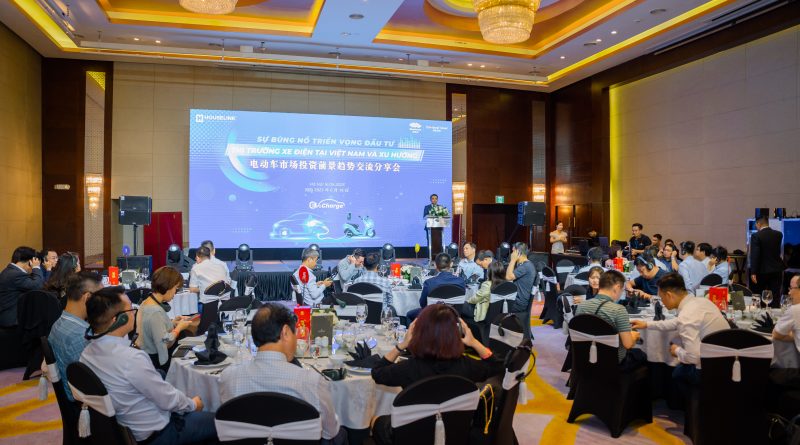
By On June 16, 2023, HOUSELINK JSC, together with its event partner – COLORBOND® steel brand under NS BlueScope Group – successfully hosted the networking and knowledge-sharing event titled “The Boom of Electric Vehicle Investment Opportunities in Vietnam and Emerging Market Trends” at InterContinental Hanoi Landmark72 Hotel.
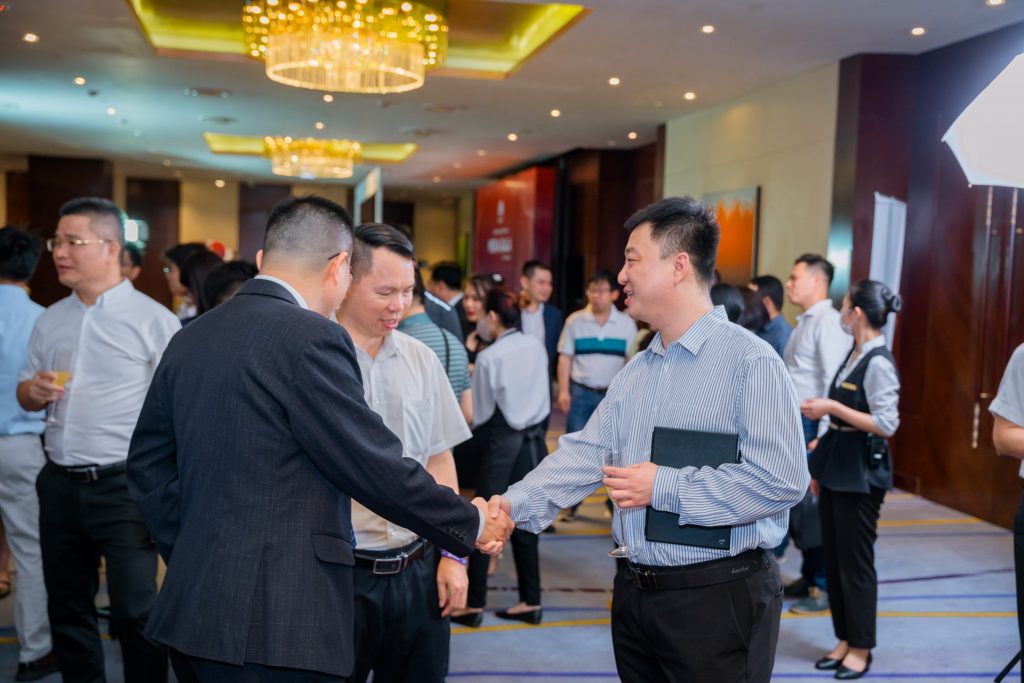
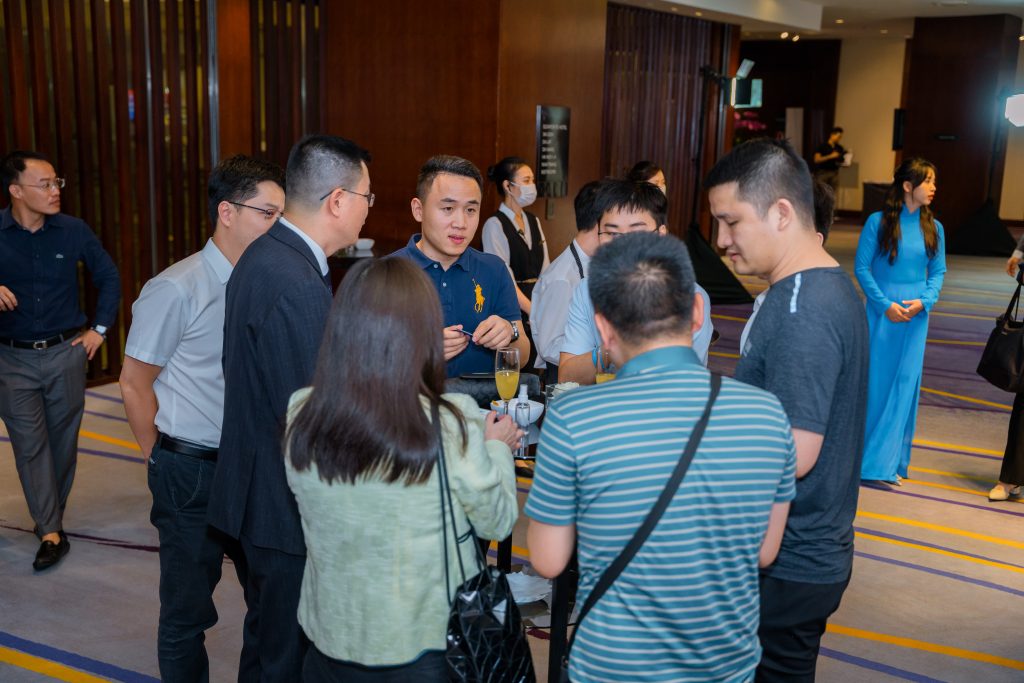
The event proudly welcomed nearly 50 senior executives and industry leaders from global corporations and manufacturers within the electric vehicle supply chain, many of whom are currently investing or preparing to launch manufacturing projects in Vietnam.
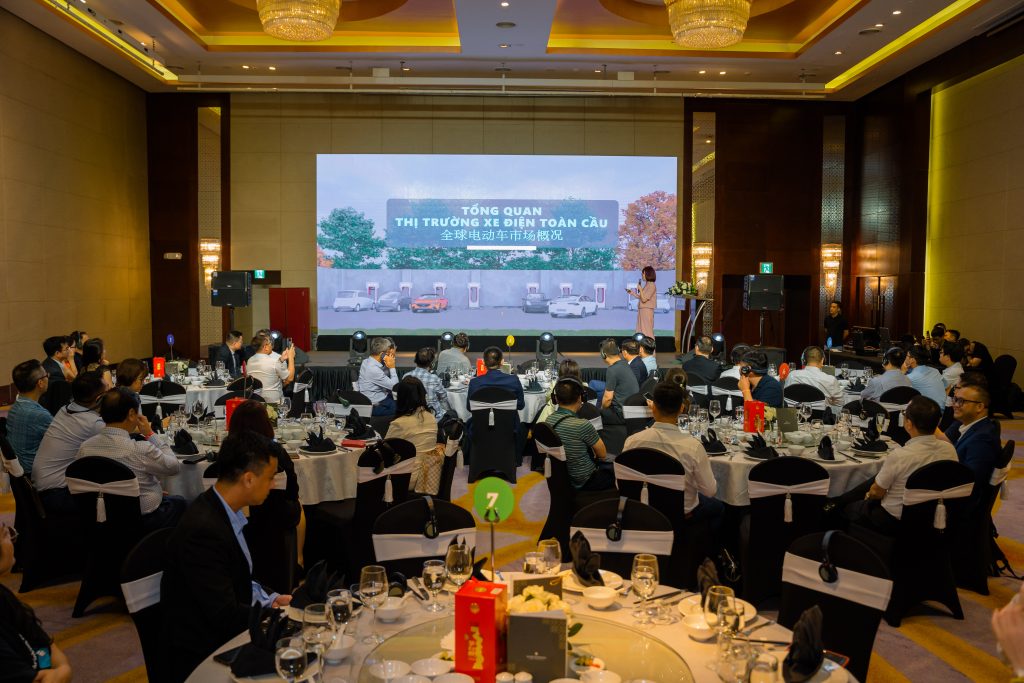
The transition from internal combustion engine vehicles to electric transportation has become a global trend, driven by the urgent need to address the environmental challenges caused by conventional fuel-powered vehicles over many decades. Vietnam is no exception to this transformation. In particular, at the COP26 Conference, Vietnam committed to achieving net-zero emissions by 2050 and has been actively implementing measures to fulfill this commitment. One of the key solutions is the shift from gasoline- and diesel-powered vehicles to electric mobility.
In Vietnam, electric vehicle manufacturing projects first emerged more than a decade ago. However, it is only within the past one to two years that the country has begun attracting a broader range of investment projects across the electric vehicle supply chain. During this event, HOUSELINK JSC officially unveiled, for the first time, its “Vietnam Electric Vehicle Supply Chain Investment Report,” creating an open and insightful platform for discussion and exchange on the rapid global expansion of the EV industry, the growth potential of Vietnam’s electric vehicle market, investment attraction opportunities, and emerging business strategies within the sector.
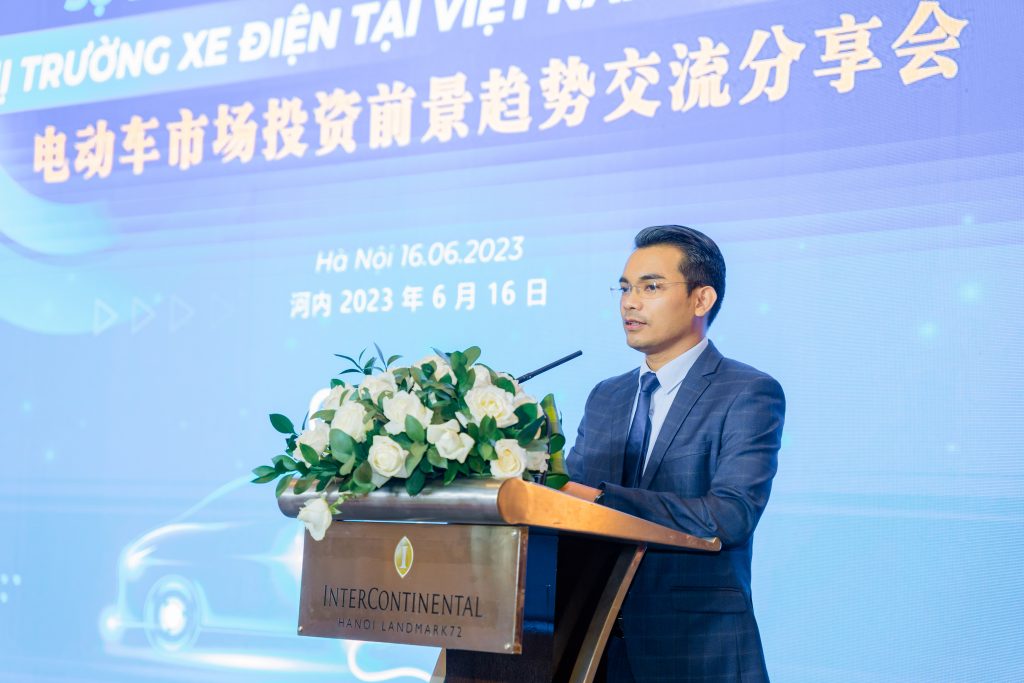
Speaking at the event, Ms. Nguyen Huong Tra, Head of Research & Analysis at HOUSELINK JSC, shared:
“Vietnam’s GDP continues to maintain strong growth momentum. Although the country’s average GRDP remains at a moderate level compared to other regional economies, it is projected to double within the next eight years. Rapid urbanization — from 42% in 2022 to an expected 50% by 2030 — together with stable population growth and relatively low vehicle ownership rates, presents significant market potential. By 2040, Vietnam’s car ownership rate is forecast to reach 249 vehicles per 1,000 people.
In addition, the Government has introduced various incentive policies and is actively developing legal frameworks and technical standards for the electric vehicle industry. Most importantly, consumers have begun to demonstrate growing interest in and acceptance of electric transportation products, with 78% of surveyed respondents expressing demand for EV usage. These factors are expected to become key growth drivers accelerating the development of Vietnam’s electric vehicle investment and business market in the coming years.”
Regarding investment attraction in the EV sector, the number of newly attracted projects recorded remarkable growth in 2022, increasing by 400% compared to 2021, with the majority being electric automobile manufacturing projects. Most investments have been concentrated in Northern Vietnam. While many projects currently focus on assembly and processing activities, we strongly believe that, with the market’s current momentum, investment across the electric vehicle supply chain in Vietnam will experience substantial growth in the near future.”
A key trend highlighted at the event was the growing commitment of manufacturers — particularly those in the EV industry — toward sustainable development. The program also delivered practical insights for investors seeking to realize sustainable business and investment strategies in Vietnam through a presentation by the representative of NS BlueScope Vietnam, a coated steel manufacturer that has successfully developed a sustainable business model in Vietnam over the past 30 years.
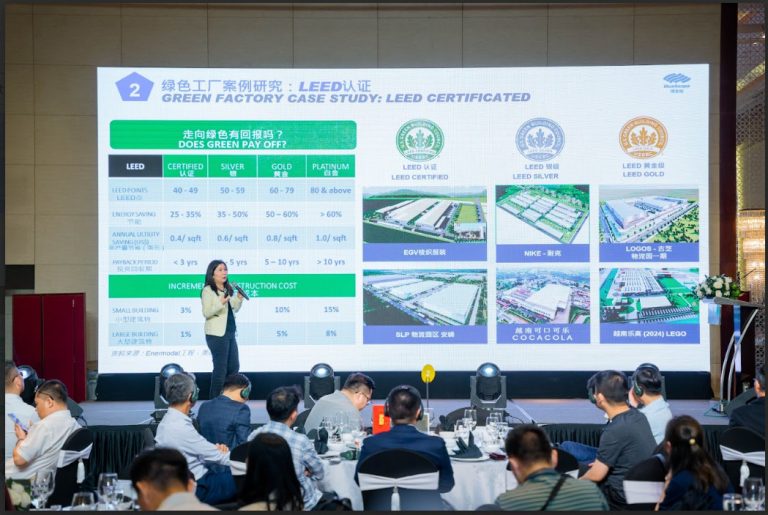
Ms. Wang Jing, Regional Deputy General Director of Human Resources at NS BlueScope Group, shared at the event:
“As society becomes increasingly concerned about environmental issues, businesses are being encouraged to introduce initiatives that contribute positively to the ecosystem around us. One of the most prominent frameworks today is ESG — Environmental, Social, and Governance standards. In line with this global trend, BlueScope Vietnam has established a clear sustainable development strategy and is proud to be the first steel brand in Vietnam striving to achieve the ‘ResponsibleSteel™’ certification — an international standard dedicated to the steel industry based on 13 rigorous ESG principles.
From an environmental perspective, NS BlueScope Group has committed to reducing greenhouse gas (GHG) emissions throughout its operations. In Vietnam, we have set a target to reduce CO2 emissions by 40% by 2030, contributing toward the development of a low-carbon economy.
To realize this ambition, NS BlueScope Vietnam has implemented numerous initiatives, including energy consumption reduction programs, rooftop solar panel installations at office facilities, production line optimization, and temperature management improvements. Furthermore, NS BlueScope aims to pioneer a new benchmark for sustainable coated steel products in Vietnam’s construction market. A notable example is the Activate™ four-layer coating technology, uniquely available in Vietnam and recognized for its superior durability performance.”
Ms. Wang Jing also introduced three key models for developing sustainable factories in Vietnam: Sustainable Materials (1), Green Factories (2), and Net Zero Emissions (3).
“Firstly, businesses aiming for sustainable development should begin with their factories, and sustainable factories must start with sustainable construction materials. Secondly, the Green Factory model focuses not only on reducing CO2 emissions, but also on minimizing energy consumption, water usage, and solid waste generation. Green factories are required to comply with standards and certifications issued by green building councils. In Vietnam, the most widely recognized certification is LEED by the U.S. Green Building Council.
The third and most promising model for a sustainable future is Net Zero. This approach can help businesses reduce potential carbon taxation risks in the future. One of the key solutions on this journey is achieving Net Zero Energy through the use of renewable energy sources to offset emissions generated from operational energy consumption, water usage, and transportation activities. This is also the reason NS BlueScope launched its Net Zero consulting service package — to help businesses better understand the concept and effectively implement Net Zero strategies.”
Sharing insights on future investment plans in Vietnam’s EV sector, a senior executive from a Chinese electric vehicle company commented:
“Although Vietnam’s new energy vehicle industry is still at an early stage, it is developing rapidly and possesses tremendous market potential. In the future, we plan to establish manufacturing operations in Vietnam and gradually increase the localization rate of components and spare parts. We also aim to cooperate closely with Vietnamese authorities and local enterprises to ensure that our vehicles fully comply with both Vietnamese and international standards and regulations.”
Vietnam’s new energy vehicle industry is currently in its infancy and remains a policy-driven sector. Against the backdrop of the global electric vehicle transition, investors entering Vietnam’s EV market are expected to play an active role in accelerating the industry’s development and helping the country keep pace with international trends. At the same time, investors also expressed expectations for greater government support, particularly in the development of charging station infrastructure and related policy frameworks.
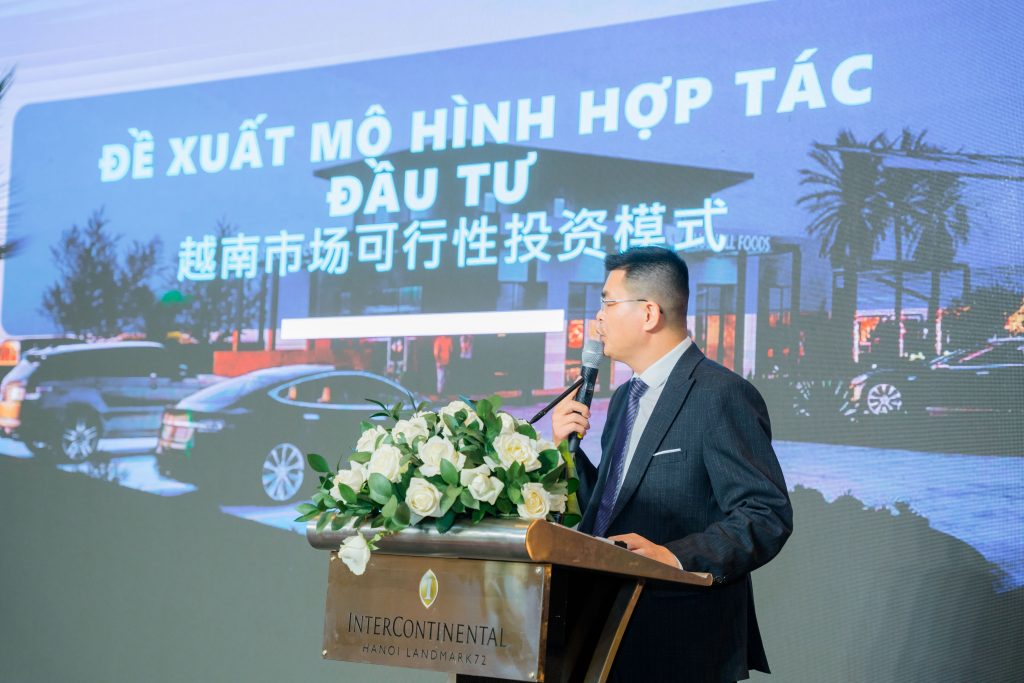
During the event, HOUSELINK also introduced its proposal for the establishment of the EV&Charge project. The initiative is envisioned as a platform to support the development of Vietnam’s electric vehicle manufacturing supply chain while simultaneously providing comprehensive EV charging solutions. EV&Charge plans to collaborate with strategic partners to invest in, establish, and operate a convenient, reliable, and cost-effective electric vehicle charging network across Vietnam and Southeast Asia.